Expert Tips for Packing Light: Maximize Your Backpacking Essentials
Understanding the Basics of Packing Light
Packing light is an art that can transform your backpacking experience. By carrying only the essentials, you can enhance mobility and reduce stress. The key is to prioritize what you truly need and eliminate anything unnecessary. This approach not only saves space but also makes your journey more enjoyable.
When planning your backpacking trip, consider the climate and terrain of your destination. This will help you determine the type of clothing and gear you need. Focus on versatility and functionality to ensure that each item serves multiple purposes.
Choosing the Right Backpack
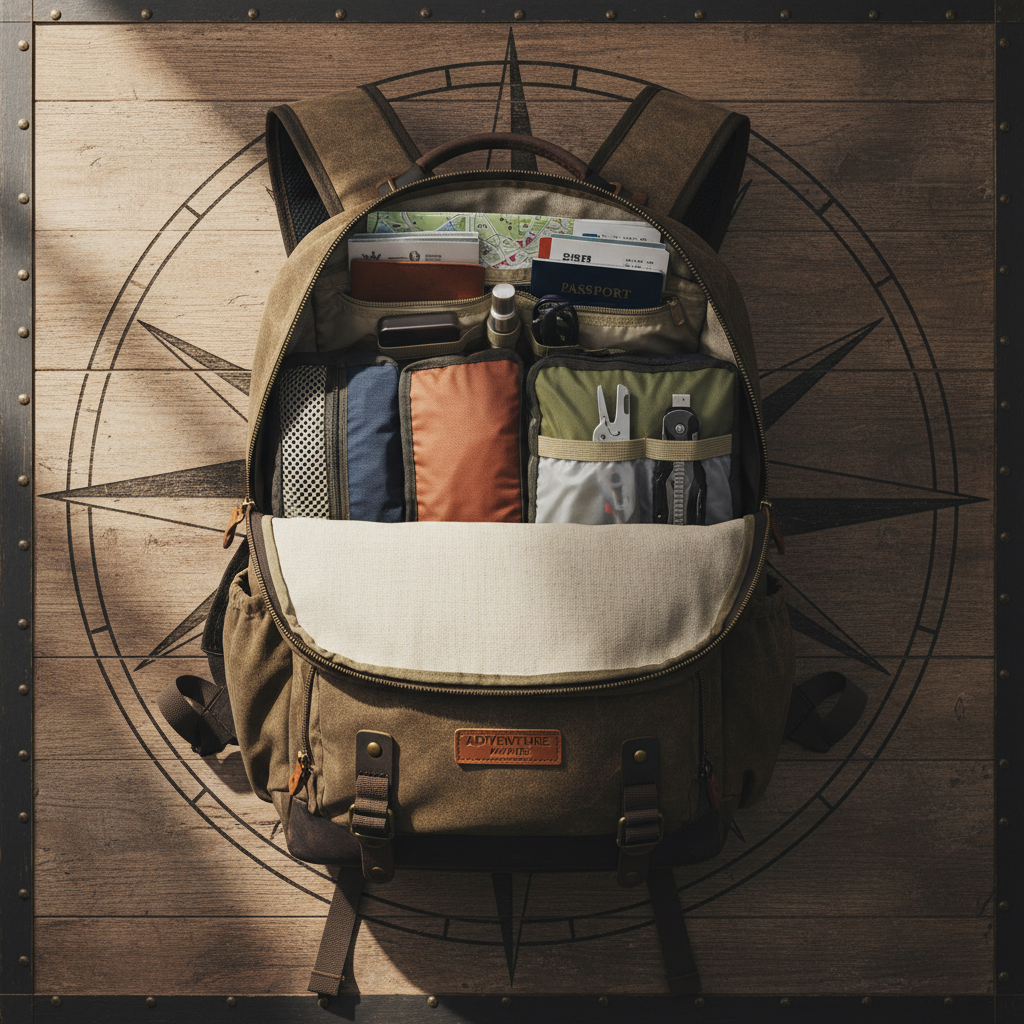
Your backpack is the foundation of your packing strategy. Choose a size that encourages minimalism but still accommodates your essentials. A backpack with a capacity of 40-50 liters is typically ideal for short trips.
Look for a backpack with multiple compartments to help organize your belongings. Features like padded straps and a supportive hip belt can make carrying your load more comfortable. Remember, the lighter your backpack, the easier your journey.
Clothing: Less is More
When it comes to clothing, versatility is key. Opt for lightweight, moisture-wicking fabrics that can be layered as needed. Consider packing:
- Two to three pairs of quick-dry shirts
- A pair of convertible pants
- A lightweight jacket
- Essential undergarments
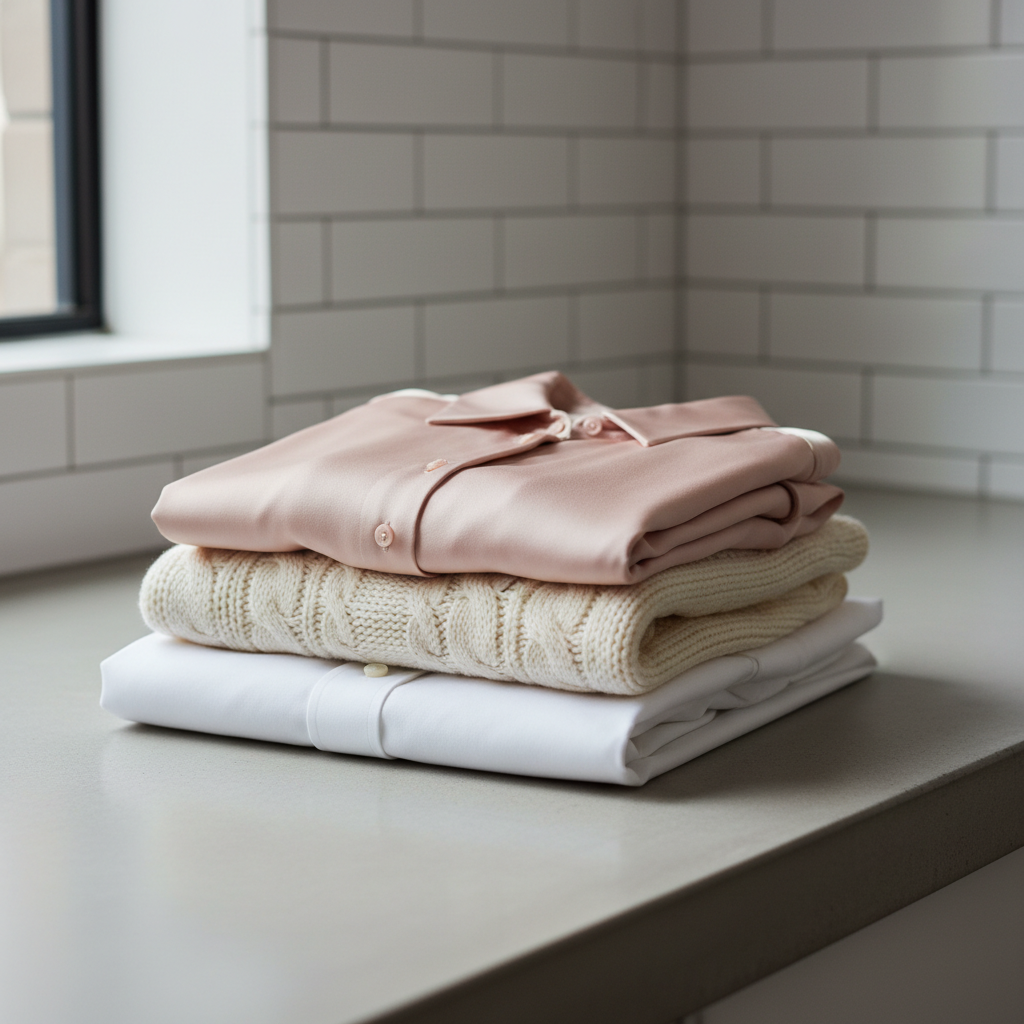
By choosing neutral colors, you can mix and match outfits, reducing the number of items you need to bring. Don’t forget a compact rain poncho or umbrella for unpredictable weather.
Essential Gear and Gadgets
While high-tech gadgets might seem appealing, focus on the essentials. Consider bringing a compact multi-tool, a lightweight headlamp, and a portable phone charger. These items can prove invaluable on your journey.
For camping, pack a compact sleeping bag and a lightweight tent or hammock, depending on your preference. Always choose gear that is easy to set up and pack away.
Toiletries and Personal Care
Toiletries can take up more space than you might think. Opt for travel-sized bottles and solid toiletries like bar soap and shampoo bars. Consider the following essentials:
- Toothbrush and travel-sized toothpaste
- Biodegradable soap
- Sunscreen and insect repellent
Remember, many items can be purchased at your destination if needed, so pack only what you’ll require for the first few days.
Food and Hydration
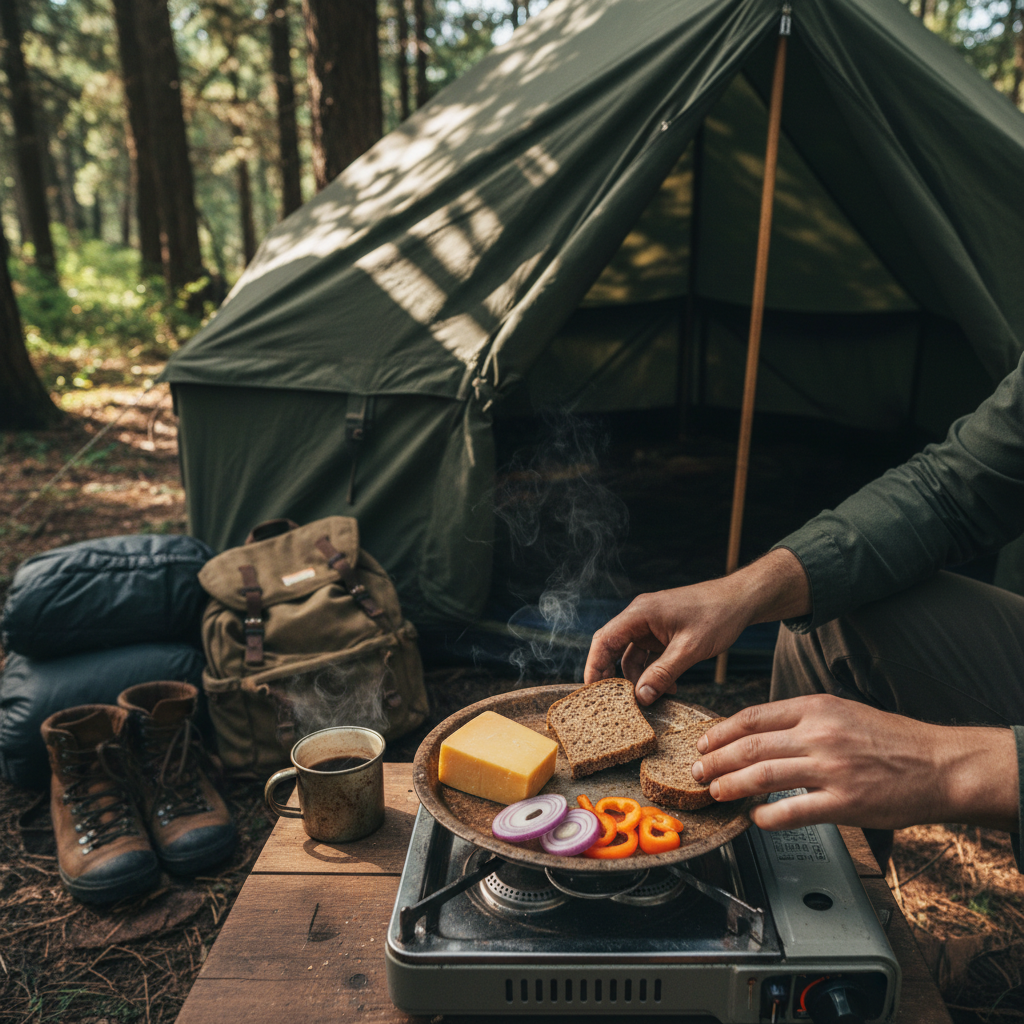
When it comes to food, opt for lightweight, high-energy snacks such as nuts, dried fruits, and energy bars. If you're planning to cook, bring a compact stove and lightweight cookware.
Staying hydrated is crucial. A collapsible water bottle or hydration reservoir is a great space-saver. Consider a water filtration system if you’ll be in the wilderness for extended periods.
Final Tips for Packing Light
Before you finalize your packing, lay everything out and evaluate each item. Ask yourself if it’s truly necessary, and if it serves multiple purposes. Remember, the goal is to maximize utility while minimizing weight.
Practice packing your backpack to ensure everything fits comfortably. Adjust your strategy based on what works and what doesn’t. With the right approach, you can enjoy a stress-free and efficient backpacking experience.